A stroke can change life in an instant. One day, everyday movements feel automatic. The next, walking, speaking, getting dressed, or even holding a cup of tea can feel unfamiliar and exhausting.
For many stroke survivors and families, leaving hospital brings relief, but also uncertainty. Questions like “Will things improve?”, “How long will recovery take?”, and “Is this as good as it gets?” are incredibly common.
The truth is, stroke recovery looks different for everyone. Progress can be fast for some and slower for others. But one important thing to understand is this:
Recovery does not stop after hospital.
At Adelaide Active, we support stroke survivors through ongoing rehabilitation that focuses on movement, strength, confidence, and everyday independence. With the right support, improvements can continue for months and even years after a stroke.

Understanding Stroke Recovery
A stroke happens when blood flow to part of the brain is interrupted, causing damage to brain cells.
Depending on the area of the brain affected, stroke survivors may experience challenges with:
- Walking and balance
- Weakness on one side of the body
- Coordination and movement control
- Fatigue and reduced endurance
- Muscle stiffness or spasticity
- Everyday activities like dressing or cooking
- Confidence and emotional wellbeing
Recovery is often a gradual process rather than a straight line. Some days feel encouraging, while others can feel frustrating.
That’s completely normal.
Why Recovery Can Continue: Understanding Neuroplasticity
One of the most important concepts in stroke rehabilitation is neuroplasticity.
Neuroplasticity refers to the brain’s ability to adapt, reorganise, and create new pathways after injury.
When a stroke damages part of the brain, other areas can sometimes learn to take over certain functions through repetition, practice, and rehabilitation.
This is why movement practice matters.
The brain responds to consistent, meaningful activity. Repeating movements, building strength, and practising everyday tasks can help retrain the body over time.
Many people assume recovery stops after a few months, but research and clinical experience show progress can continue long after the early stages of recovery, especially when rehabilitation stays consistent.
What Recovery Can Look Like in the First 6 Months
The first six months after a stroke are often considered an important period for rehabilitation because the brain is highly responsive to change.
However, every recovery journey is unique.
The First Few Weeks
In the early phase, rehabilitation often focuses on:
- Regaining basic movement
- Sitting, standing, and walking safely
- Reducing stiffness and weakness
- Building confidence with mobility
- Preventing falls and complications
This stage can feel physically and emotionally overwhelming, especially for families adjusting to new routines.
Small improvements matter more than many people realise.
Sometimes progress looks like walking a few extra steps. Other times it means being able to safely transfer from a chair or regain movement in the arm.
Months 1 to 3: Rebuilding Confidence
As the body starts to recover, therapy often shifts toward rebuilding function and independence.
Goals may include:
- Improving walking ability
- Increasing strength and endurance
- Improving balance and coordination
- Returning to hobbies or community activities
- Reducing fatigue
At this stage, many people begin noticing both physical and emotional changes.
There can be moments of excitement, but also frustration if recovery feels slower than expected.
This is where realistic goal-setting becomes important.
Months 3 to 6: Building Capacity
During this phase, rehabilitation often becomes more focused on long-term function.
For some people, this might mean:
- Walking longer distances
- Improving hand and arm function
- Returning to exercise
- Improving independence at home
- Building confidence in public settings
Importantly, rehabilitation should continue to evolve with the person’s goals.
Recovery is not only about what was lost. It is also about adapting, rebuilding confidence, and improving quality of life.
Can Recovery Continue Beyond 6 Months?
Yes.
One of the biggest myths in stroke rehabilitation is that recovery stops after six months or one year.
While progress may slow over time, improvement can absolutely continue.
Many stroke survivors continue making gains through:
- Ongoing physiotherapy
- Strength and mobility programs
- Exercise physiology support
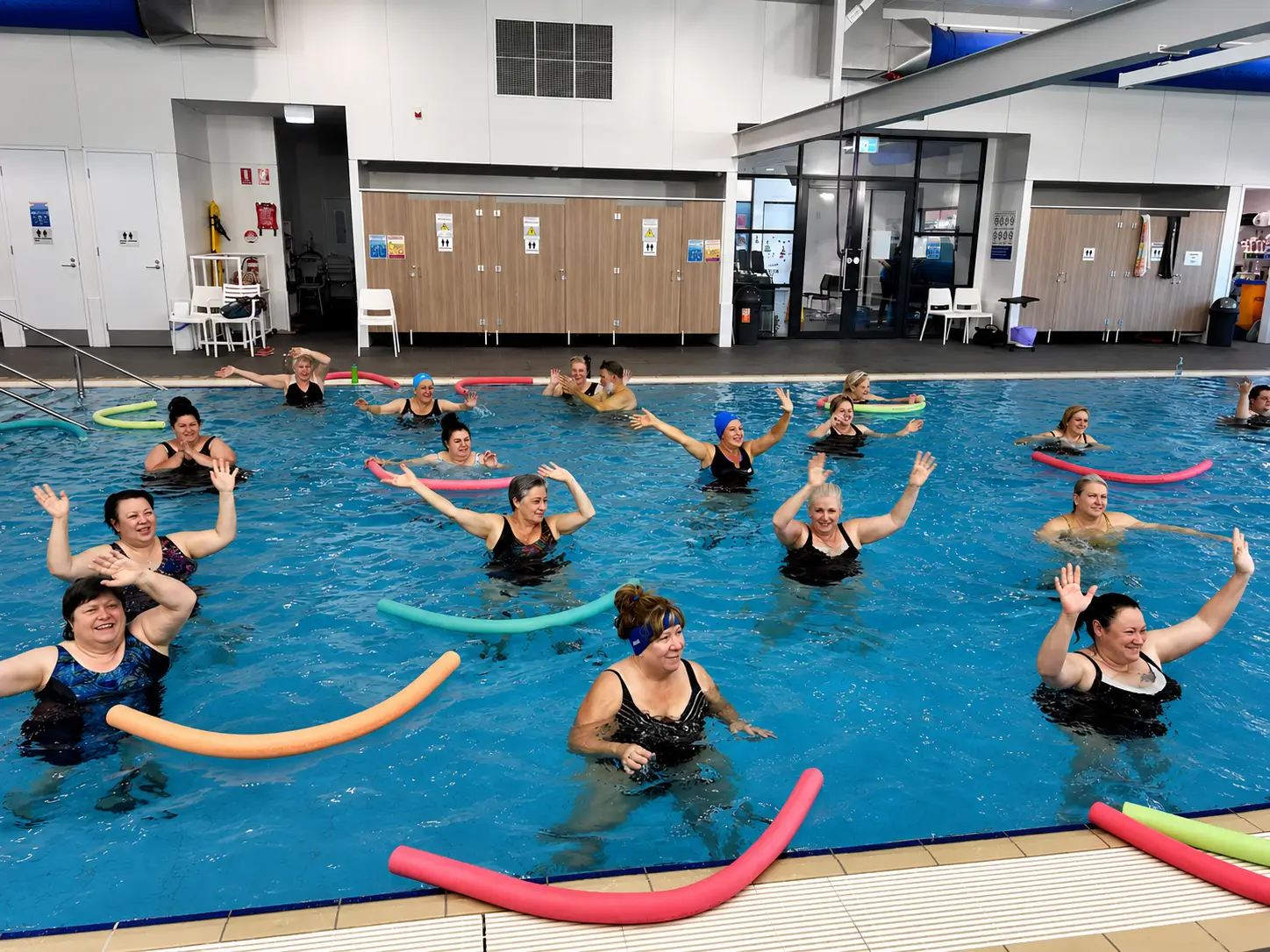
- Hydrotherapy
- Balance and walking training
- Functional rehabilitation
Sometimes progress is obvious. Other times it is subtle, such as feeling steadier, becoming less tired, or being more confident doing everyday tasks independently.
Even small gains can have a huge impact on daily life.
The Importance of Goal Setting in Stroke Rehab
Good rehabilitation is not just about exercises.
It is about meaningful goals.
At different stages of recovery, goals may look very different.
For one person, success might mean:
- Walking independently again
- Getting back to gardening
- Climbing stairs safely
- Returning to social activities
For another, it may simply mean:
- Standing for longer periods
- Improving transfers safely
- Feeling stronger and more confident at home
The best rehabilitation plans are personalised and built around what matters to the individual.
Progress often happens when goals are realistic, practical, and adjusted over time.
How Physiotherapy Supports Stroke Rehabilitation
Physiotherapy plays an important role in helping stroke survivors improve mobility and function.
Treatment may focus on:
- Walking retraining
- Strength and movement recovery
- Balance training
- Mobility support
- Flexibility and stiffness management
- Fall prevention
Physiotherapists also help people relearn movement patterns and build confidence with physical activity.
Recovery is rarely about pushing harder. It is about practising smarter and more consistently.
How Exercise Physiology Can Help
Exercise physiology is often an important next step after early rehabilitation.
As confidence grows, structured exercise can help stroke survivors:
- Improve strength and endurance
- Increase fitness safely
- Reduce deconditioning
- Improve cardiovascular health
- Build independence with movement
Exercise programs are tailored to the individual’s abilities and recovery stage.
For many stroke survivors, this helps bridge the gap between rehabilitation and getting back to everyday life.
Why Support Matters for Carers Too
Stroke recovery affects families as much as individuals.
Carers often juggle appointments, emotional stress, and day-to-day support while trying to adjust to changing routines.
Having a supportive rehabilitation team can make a big difference.
Recovery is easier when carers feel informed, supported, and included in the process.
Recovery Is Not Always Linear
One of the most important things stroke survivors and families can remember is this:
Progress is rarely a straight line.
There may be setbacks, plateaus, or difficult weeks.
That does not mean rehabilitation has failed.
Recovery often happens through small, consistent gains over time.
Sometimes the biggest milestones are the ones that seem small to others but feel life-changing to the person experiencing them.
Stroke Rehabilitation at Adelaide Active
At Adelaide Active, we provide personalised stroke rehabilitation programs designed to support movement, confidence, and everyday function.
Our physiotherapists and exercise physiologists work alongside clients to create realistic, meaningful rehabilitation plans that continue beyond hospital discharge.
Whether your goal is walking more confidently, improving strength, returning to hobbies, or simply feeling safer at home, recovery support can continue long after the early stages.
Ready to Continue Your Recovery?
If you or a loved one is looking for stroke rehabilitation in Adelaide, the team at Adelaide Active is here to support you with personalised rehabilitation focused on long-term progress and independence.