Living with fibromyalgia can feel unpredictable.
Some days, getting through daily activities feels manageable. On other days, pain, fatigue, brain fog, or sensitivity can make even simple tasks feel exhausting. For many people, one of the biggest fears around movement is this:
“What if exercise makes my symptoms worse?”
It is a completely understandable concern.
When your body already feels sore or overwhelmed, the idea of movement can feel intimidating. Many people with fibromyalgia have experienced pushing too hard, only to feel worse afterwards. That can make it difficult to trust exercise again.
But here is the reassuring part: the right type of movement, at the right pace, can actually help manage fibromyalgia symptoms rather than worsen them.
At Adelaide Active, we work with people living with chronic pain and fatigue conditions to create safe, realistic, and personalised exercise programs that support movement without overwhelming the body.
If you are searching for fibromyalgia exercise Adelaide, here is what to know about staying active while reducing the risk of flare-ups.


Why Movement Still Matters with Fibromyalgia
When pain and fatigue are high, resting can feel like the only option.
And sometimes, rest absolutely is needed.
But over time, avoiding movement altogether can make symptoms harder to manage. Muscles may become weaker, joints can feel stiffer, and fatigue may worsen as activity tolerance decreases.
Gentle movement can help support:
- Strength and physical function
- Joint mobility and flexibility
- Energy levels over time
- Sleep quality
- Mood and mental wellbeing
- Confidence with daily movement
The goal is not intense exercise or “pushing through pain.”
For fibromyalgia, movement is about finding a pace your body can tolerate and building from there.
Understanding Fibromyalgia Flares
A fibromyalgia flare is when symptoms become more intense than usual.
This may include:
- Increased widespread pain
- Extreme fatigue
- Brain fog or difficulty concentrating
- Poor sleep
- Sensitivity to movement, temperature, or touch
- Feeling physically and emotionally drained
Flares can sometimes happen without warning, but they may also be triggered by:
- Overdoing activity
- Poor sleep
- Stress or emotional overload
- Illness
- Changes in routine
One of the most common experiences people describe is the “boom and bust” cycle.
This is when someone has a better day, tries to catch up on everything at once, and then ends up paying for it with several difficult days afterwards.
This cycle can feel frustrating and discouraging.
Why “Pushing Through” Usually Backfires
You may have heard advice like:
“Just push through it.”
For fibromyalgia, that approach often does more harm than good.
Unlike traditional fitness goals where pushing harder can build strength quickly, fibromyalgia management often works best through consistency, pacing, and gradual progression.
Doing too much too soon can increase pain and fatigue, making recovery harder.
Instead of asking:
“How much can I do today?”
A better question may be:
“What amount of movement feels manageable without triggering a flare?”
The Importance of Pacing
Pacing is one of the most important strategies for managing fibromyalgia.
It means balancing activity with rest in a way that helps avoid symptom spikes.
This could look like:
- Breaking larger tasks into smaller chunks
- Taking short movement breaks instead of long periods of activity
- Stopping before pain or exhaustion becomes overwhelming
- Gradually increasing activity over time
Progress with fibromyalgia is rarely linear.
Some weeks feel easier than others, and that is okay.
The goal is sustainable movement, not perfection.
Gentle Strength Training Can Help
Many people are surprised to learn that strength training can actually be beneficial for fibromyalgia.
When done gradually and safely, gentle strengthening exercises may help improve:
- Muscle support and stability
- Everyday function
- Physical confidence
- Fatigue tolerance over time
The key word is gentle.
At Adelaide Active, we often help clients begin with small, manageable movements that match current energy levels and symptoms.
For some people, that may mean seated exercises, resistance bands, or short supervised sessions with plenty of rest breaks.
There is no one-size-fits-all approach.
Why Warm Water Exercise Can Feel Better
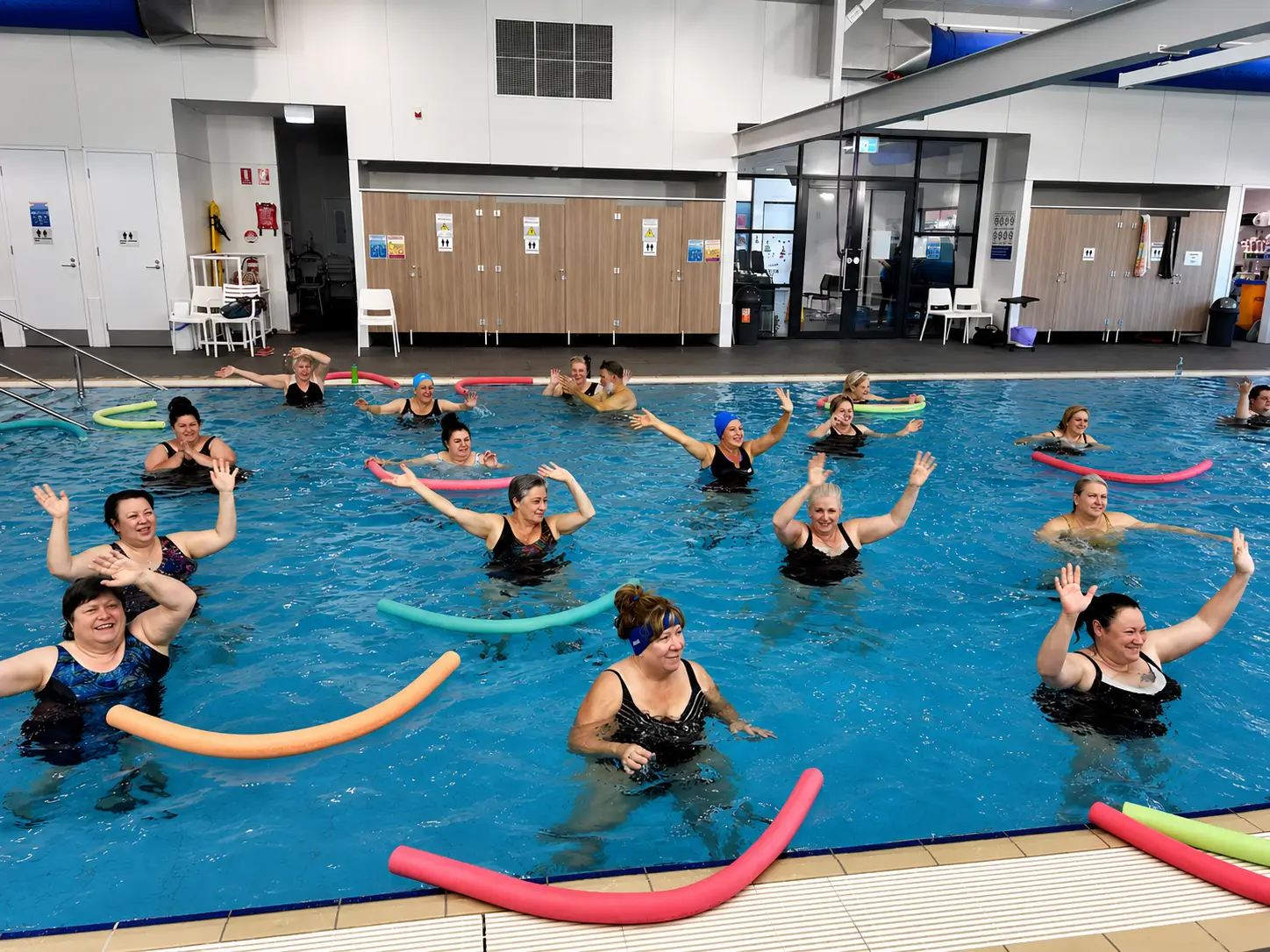
For many people living with fibromyalgia, warm water exercise or hydrotherapy feels more manageable than land-based movement.
Warm water can help by:
- Supporting the body and reducing joint pressure
- Helping muscles relax
- Making movement feel less painful
- Improving confidence with exercise
- Reducing stiffness
Because the body feels lighter in water, people often find they can move more comfortably than they expected.
At Adelaide Active, Hydrotherapy can be a supportive option for people who feel nervous about returning to exercise or who experience widespread pain and stiffness.
Starting gently in warm water may feel more approachable than traditional exercise settings.
Listening to Your Body Without Fear
One of the hardest parts of fibromyalgia can be learning how to trust your body again.
Movement should not feel punishing.
Some discomfort may happen when becoming active again, but severe increases in pain or exhaustion are usually signs that the body may need a gentler approach.
Learning to recognise your limits is not giving up.
It is working with your body rather than against it.
Over time, many people find that consistency matters more than intensity.
A Few Gentle Tips for Moving During a Flare
During a flare, exercise may need to look different.
Sometimes gentle movement can still help, including:
- Light stretching
- Short walks if tolerated
- Slow mobility exercises
- Breathing and relaxation-based movement
- Warm water exercise when symptoms settle
Some days, doing less is part of the plan too.
The goal is flexibility, not guilt.
How Adelaide Active Can Help
At Adelaide Active, we understand that chronic pain conditions like fibromyalgia require a different approach.
Our team works with people experiencing pain, fatigue, reduced mobility, and chronic health conditions to create personalised programs focused on:
- Gentle, graded exercise
- Pacing and symptom management
- Strength and movement confidence
- Hydrotherapy and low-impact exercise options
- Chronic pain support
- Building confidence without overdoing it
We understand that starting can feel intimidating, especially if movement has worsened symptoms in the past.
That is why support is tailored to where you are right now.
Ready to Move with More Confidence?
If you are living with fibromyalgia and want support to move safely without triggering flare-ups, Adelaide Active is here to help.
Our team can help you explore personalised Exercise Physiology, Physiotherapy, and Hydrotherapy programs designed to support movement in a way that feels manageable and realistic.
You do not have to push through pain alone. Contact us today!