Effective Treatment for Knee Pain
How Physiotherapists and Exercise Physiologists can help
Knee pain is a common issue affecting people of all ages and activity levels. Whether caused by injury, osteoarthritis, or overuse, persistent knee pain can significantly reduce mobility and quality of life. Fortunately, physiotherapists and exercise physiologists play a key role in helping individuals reduce pain, regain function, and improve their overall well-being. At Adelaide Active Rehab and Therapy, our team specializes in evidence-based treatments to address knee pain, ensuring you receive the most effective care possible.
Understanding Knee Pain
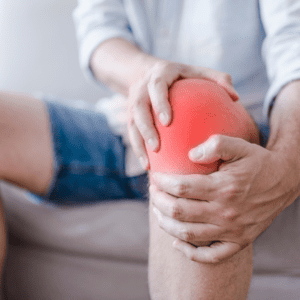
Knee pain can arise from various conditions, such as:
- Osteoarthritis: A degenerative joint disease that commonly affects older adults.
- Patellofemoral Pain Syndrome (Runner's Knee): A condition caused by overuse or misalignment.
- Ligament Injuries (e.g., ACL tear): Often seen in athletes or active individuals.
- Meniscus Tears: Damage to the cartilage in the knee, common in both athletes and older adults.
- Tendonitis: Inflammation of the tendons around the knee, typically caused by repetitive stress.
Regardless of the cause, addressing knee pain early is crucial to prevent further damage and to avoid long-term issues.
How Physiotherapy Helps
Physiotherapists use a variety of techniques tailored to your specific knee condition. These include:
- Manual Therapy: Hands-on techniques like joint mobilization and soft tissue massage can help reduce pain and improve mobility.
- Exercise Prescription: Strengthening the muscles around the knee, particularly the quadriceps and hamstrings, to provide better joint support.
- Education and Injury Prevention: Teaching proper techniques for activities such as walking, running, and lifting to minimize strain on the knees.
The Role of Exercise Physiologists
Exercise physiologists focus on long-term management and prevention of knee pain through exercise-based rehabilitation. Their approach is rooted in the latest scientific research and involves:

Individualized Exercise Plans: A tailored program to strengthen the knee and surrounding muscles, improve stability, and restore function.
- Biomechanical Analysis: Identifying movement patterns that may be contributing to your knee pain and teaching corrective exercises.
- Flexibility Exercises: Enhancing flexibility can help reduce stiffness and improve the range of motion.
According to current research, combining physiotherapy and exercise physiology yields the best outcomes for reducing pain and improving function in individuals with knee pain, particularly for those with osteoarthritis or after surgery. Strengthening exercises have been shown to decrease pain, enhance mobility, and
At Adelaide Active Rehab and Therapy, we prioritize a comprehensive, individualized approach to knee pain management. Here’s how you can get started:
1. Initial Assessment: Our team will conduct a thorough evaluation to diagnose the cause of your knee pain and develop a personalized treatment plan.
2. Collaborative Treatment: You can work with both a physiotherapist and exercise physiologist to address immediate pain relief and establish long-term strategies to improve function.
3. Ongoing Support: We provide continuous monitoring and adjustments to your treatment plan to ensure optimal recovery and prevent future injury.
Conclusion
Knee pain doesn’t have to limit your quality of life. With the right treatment from physiotherapists and exercise physiologists, you can reduce pain, regain mobility, and prevent future issues. At Adelaide Active Rehab and Therapy, we are committed to providing evidence-based care to help you achieve long-lasting relief and improved function.

Meet our newest physiotherapist, Jana! 🤩
Since graduating in 2012 Jana has worked with clients of all ages in busy private practice settings and as a specialist MSK physio in England's National Health Service.
She has a special interest in shoulders but her overall experience includes pre and post-operative care, chronic pain and acute sporting injuries of the shoulder, knees and ankle.
Jana's approach to physiotherapy is holistic and evidence-based, she believes in empowering her clients by helping them understand their condition better. She will work closely with you to create a treatment plan tailored to achieve your individual goals, whether that is to rehab an injury, aid recovery from surgery or build your general strength to improve quality of life.
If you’re experiencing shoulder pain, don’t wait – get in touch now to book your physio appointment at Adelaide Active.
Want to find out more information or book your first consultation?