The Benefits of Exercise for Neurodivergent Children and Teenagers

How Exercise Physiologists Can Help
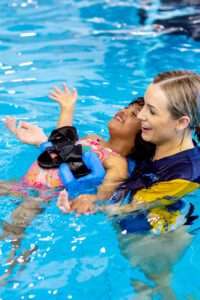
Neurodivergent children and teenagers—those with conditions such as autism spectrum disorder (ASD), ADHD, and sensory processing disorders—often face unique challenges when it comes to physical activity. However, research consistently shows that regular exercise can significantly improve both physical and mental health for neurodivergent individuals. Exercise not only enhances overall fitness but also supports emotional regulation, social skills, and cognitive development.

In this blog, we'll explore the benefits of exercise for neurodivergent children and teens and how exercise physiologists at Adelaide Active Rehab & Therapy can provide targeted support to improve their quality of life.

Why is Exercise Important for Neurodivergent Children?

1. Improved Mental Health

Exercise has a well-documented positive impact on mental health. For neurodivergent children and teenagers, who are often more prone to anxiety, depression, and stress, physical activity offers an outlet for emotional regulation. Studies show that consistent physical exercise can reduce symptoms of anxiety and depression in neurodivergent populations by increasing the release of endorphins—natural mood lifters.

2. Enhanced Social Skills and Communication

Team sports and group-based exercise sessions encourage social interaction. Neurodivergent children, particularly those on the autism spectrum, often struggle with social communication. Exercise programs can foster social engagement in a structured, low-pressure environment, improving confidence and communication abilities.

3. Improved Focus and Attention

Neurodivergent children with ADHD or other attention-related challenges can benefit greatly from regular physical activity. Research shows that aerobic exercises like running, swimming, and cycling can improve attention span, reduce hyperactivity, and boost

cognitive function. This makes it easier for children to concentrate on schoolwork and other tasks that require sustained attention.

4. Motor Skill Development
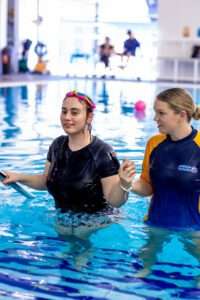
Many neurodivergent children experience difficulties with motor coordination. Exercise, particularly activities that focus on balance, agility, and strength, can help improve these motor skills. This can lead to better coordination, body awareness, and overall confidence in daily physical tasks.

The Role of Exercise Physiologists

Exercise physiologists are health professionals trained to design and deliver safe, individualized exercise programs. For neurodivergent children and teenagers, exercise physiologists play a critical role in creating customized exercise plans that account for each individual’s unique needs and abilities.

At Adelaide Active Rehab and Therapy, our exercise physiologists work closely with neurodivergent children and their families to create fun, engaging, and goal-oriented programs. We focus on:

How to Get Started

Starting a new exercise routine can be intimidating, but it doesn't have to be. At Adelaide Active Rehab and Therapy, we offer:

To learn more about our exercise programs and how they can benefit your neurodivergent child, contact Adelaide Active Rehab and Therapy today. Our expert exercise physiologists are here to help your child thrive through the power of movement.

Emma is a passionate Exercise Physiologist with a strong focus on working with children of all abilities, using play-based and enjoyable therapy to help them achieve their goals.

She completed her Bachelor of Clinical Exercise Physiology at the University of South Australia in 2017 and has extensive experience in both pool and gym settings.

Specialising in Paediatrics, Emma has also worked with clients dealing with chronic pain, cardiovascular conditions, POTS, CFS, diabetes, and autism.

Emma’s enthusiastic and engaging approach helps clients feel confident, and she collaborates closely with parents to ensure effective outcomes.

If you’re experiencing shoulder pain, don’t wait – get in touch now to book your physio appointment at Adelaide Active.

Want to find out more information or book your first consultation?

Call us on 7089 6666 or Book Online

These sources reflect the current understanding of how exercise positively influences neurodivergent children and teens, making it a key therapeutic tool.

1. Pfeiffer, B., et al. (2011). "Effectiveness of sensory integration interventions in children with autism spectrum disorders: A pilot study." American Journal of Occupational Therapy, 65(1), 76-85.

2. Sowa, M., & Meulenbroek, R. (2012). "Effects of physical exercise on autism spectrum disorders: A meta-analysis." Research in Autism Spectrum Disorders, 6(1), 46-57.

3. Verret, C., et al. (2012). "A physical activity program improves behavior and cognitive functions in children with ADHD: An exploratory study." Journal of Attention Disorders, 16(1), 71-80.

4. Bremer, E., Crozier, M., & Lloyd, M. (2016). "A systematic review of the behavioral outcomes following exercise interventions for children and youth with autism spectrum disorder." Autism, 20(8), 899-915.

5. Pontifex, M. B., et al. (2013). "Exercise improves behavioral, neurocognitive, and scholastic performance in children with attention-deficit/hyperactivity disorder." Journal of Pediatrics, 162(3), 543-551.

Benefits of Hydrotherapy for children with Autism

Hydrotherapy, or the use of water for therapeutic purposes, can provide a range of benefits for children with autism. This type of therapy can be particularly beneficial for children with autism due to the unique properties of water and its ability to provide a calming and relaxing environment.

One of the key benefits of hydrotherapy for children with autism is its ability to improve physical strength and coordination. The buoyancy of the water allows children to move more freely and easily, which can help improve their gross motor skills and coordination. In addition, the resistance of the water can provide a challenging and effective way to improve muscle strength and endurance.

Another benefit of hydrotherapy for children with autism is its ability to provide a sense of calm and relaxation. The sensory input of being in the water, including the sound of the water, the feeling of the water on the skin, and the movement of the water, can help to calm and relax children with autism. This can be particularly helpful for children who have difficulty with sensory processing or who experience high levels of anxiety.

In addition to its physical benefits, hydrotherapy can also provide social and emotional benefits for children with autism. The small group setting of hydrotherapy sessions can provide opportunities for children with autism to interact with others in a supportive and non-threatening environment. This can help improve social skills and communication, as well as provide a sense of belonging and connection.

Overall, hydrotherapy can be a valuable therapeutic tool for children with autism. Its ability to improve physical strength and coordination, provide a sense of calm and relaxation, and offer social and emotional benefits make it an excellent option for children with autism. If you are interested in exploring hydrotherapy for your child with autism, it is important to work with a qualified therapist who has experience working with children with autism.

Adelaide Active Rehab & Therapy have a program called Swimclusion, tailored specifically for individuals on the Autism Spectrum.  Swimclusion offers specialised one-on-one sessions in a calm, sensory-friendly environment.   To find out more about this program, call 08 7089 6666.

Down Syndrome & GymClusion

Down Syndrome is a genetic disorder caused by the addition of an extra chromosome. For children with Down Syndrome, studies have shown that these children are at a higher risk for physical activity and obesity.

For this reason, it is so important that therapy services directed towards supporting children with Down Syndrome understand their unique challenges. This is to ensure they are supported to have equal access to sporting opportunities and outdoor physical activity for their health and wellbeing.

For children with Down Syndrome, they are born with:

Children with Down Syndrome typically have “floppy” muscles, also known as hypotonia or low muscle tone. Low muscle tone makes it more difficult for a child to move their arms and legs for more refined movements. This can have a big impact on the child’s development of their gross motor skills, like rolling, sitting up, crawling, pulling into a standing position and walking as well as moving their body into different positions smoothly. As a result, the child’s development of their fine motor skills can be affected, impacting their independence in using their hands during feeding, dressing, playing and writing.

Children with Down Syndrome who have low muscle town can be flexible. This is often described as being double-jointed, having lax muscles or having hypermobility. With hypermobility, the muscles do not hold the joints together as tightly as people with normal muscle tone. For children with Down Syndrome, hypermobility can impact the child’s control over their own arms, hands and legs, making typical everyday tasks more challenging, e.g., increased tiredness from the muscles trying to work harder to create stability, clicking joints, pain and difficulty with coordination.

Research suggests that children with Down Syndrome have reduced muscle strength by up to 50% compared to their peers. This can mean that the child may have difficulties in their strength. They might also have difficulties in their endurance, meaning their ability to keep going during an activity.

Compared to the length of their trunks, children with Down Syndrome have short arms and legs. This makes learning certain gross motor and fine motor skills harder, like climbing, bike riding, playing with toys and accessing playground equipment.

Why GymClusion is the perfect program for your child:

Here at GymClusion, we pride ourselves on helping children with Down Syndrome become the best versions of themselves in our fun therapy programs alongside our caring therapy team.

Our team of Physiotherapists, Exercise Physiologists and Allied Health Assistants can:

Our team of Occupational therapists and Allied Health Assistants can:

Thinking about GymClusion for your child? Click the ‘XXXX’ link on our website to register your interest for GymClusion or email us at mail@adelaidehydrotherapy.com for more information.

References:

Jobling, A. (1994) Physical education for the person with Down syndrome: More than playing games?. Down Syndrome Research and Practice , 2(1), 31-35. doi:10.3104/reviews.27

Shields, N., Taylor, N.F. & Fernhall, B. A study protocol of a randomised controlled trial to investigate if a community based strength training programme improves work task performance in young adults with Down syndrome. BMC Pediatr 10, 17 (2010). https://doi.org/10.1186/1471-2431-10-17


Why GymClusion is suitable for kids with Autism

Children love to play and be active! For kids, regular physical activity not only helps them to develop healthy hearts, strong muscles and support their mental health, it also helps them learn about the world around them.

For Autistic children, physical activity is equally as important. While each Autistic child is different, Autism is characterised by difficulties in verbal and non-verbal communication, social awareness, moving away from predictable routines and difficulties with gross motor strength and coordination. These underlying skills mean that some of the day-to-day activities that are taken for granted, can be an extra challenge for autistic children. Not only does exercise help autistic kids develop their health and fitness, mental health and provides important moments of social connection, physical activity helps autistic children build social connections to thrive in everyday life.

Here at GymClusion, we pride ourselves on helping Autistic children become the best versions of themselves in our fun therapy programs alongside our caring therapy team. In this article, we’ll take a deeper look at all the things GymClusion offers to your child.

Gross motor skills:

Gross motor skills are the groups of skills that require whole body movements or larger, core-stabilising muscles to perform actions. This includes walking, running, jumping, sitting upright, bike riding, skipping and much more. Recent research showed 87% of children with ASD aged 5-15 years were at risk of movement difficulties. The same study found children with more severe problems in other areas, such as communication and social skills, were also at higher risk for movement problems. Exercise-based therapies with our team of occupational therapists, physiotherapists and exercise physiologists can help to build your child’s postural strength and practise important balance skills through motivating activities and games. That means your child will be working on important foundational skills whilst having lots of fun!

Fine motor skills:

Fine motor skills are the groups of skills that require smaller, more refined movements of the hands and fingers. This includes grasping, holding, pinching and manipulating tools, like cutlery and pencils. It’s important for a child to have stability and control in their bigger muscle groups before they are able to make smaller, more controlled movements with their hands and fingers. This can mean that for Autistic children, they have difficulty with hand strength, moving objects around within their hand, reduced grip strength and difficulty coordination small movements like beading, threading, tying shoelaces and using a pencil. Our team or occupational therapists help to assess your child’s fine motor skills and engage your child in a range of different activities to strengthen the muscles in their hands and fingers.

Social skills and developing confidence:

Research suggests that autistic children who participated in physical activity programs showed increased development of their social skills. Group therapy sessions at GymClusion focus on your child achieving their goals alongside others. This provides important moments of teamwork, sharing encouragement and taking turns in the exercise-based activities. As you can schedule weekly or fortnightly sessions for your child, GymClusion offers a supportive and caring environment where your child can make friends outside of the classroom.

Building resilience and flexibility:

Flexibility and resilience are important skills that help children move through challenging situations with greater ease. For autistic children, flexible thinking can present as a challenge. This can often cause children to feel “stuck” or triggering meltdowns if things don’t go according to plan. Group therapy sessions at GymClusion focus on your child learning to see different perspectives, consider different options and readjust when activities do not go to plan. As a result, your child will develop their flexible thinking in games with others and practice “changing up” their therapy session activities over time.

Thinking about GymClusion for your child? Click the ‘XXXX’ link on our website to register your interest for GymClusion or email us at XXXX for more information.

References:

Licari, M. K., Alvares, G. A., Varcin, K., Evans, K. L., Cleary, D., Reid, S. L., Whitehouse, A. J. O. (2020). Prevalence of Motor Difficulties in Autism Spectrum Disorder: Analysis of a Population-Based Cohort. Autism Research, 13(2), 298-306. doi:10.1002/aur.2230

Flatters, I., Mushtaq, F., Hill, L. J. B., Holt, R. J., Wilkie, R. M & Mon-Williams, M. (2014). The relationship between a child’s postural stability and manual dexterity. Experimental Brain Research. 232(9): 2907–2917 doi: 10.1007/s00221-014-3947-4

Zhao, M. & Chen, S. (2018). The Effects of Structured Physical Activity Program on Social Interaction and Communication for Children with Autism. Biomedical Research Institute. doi: 10.1155/2018/1825046