
Therabees is an Adelaide-based allied health and mental health provider that works exclusively with children and young people. Their services support clients from newborn through to 18 years of age, with a clear focus on childhood development, wellbeing, and participation in everyday life.
Every service offered by Therabees is designed specifically for children and adolescents, ensuring support is appropriate for each stage of development.
Therabees is a paediatric-only service and does not provide therapy for adults. Their website consistently refers to working with children, young people, and families, and all listed services relate to developmental, emotional, behavioural, and physical needs that occur during childhood.
This exclusive focus allows Therabees to deliver therapy approaches that are tailored to how children grow, learn, communicate, and engage with the world around them.


Therabees provides a range of allied health and mental health services designed specifically for children and young people, including:
These services aim to support children in their daily routines, learning environments, and community participation.
Therabees delivers therapy that is individualised and supportive of each child or young person’s needs. Their approach focuses on:
This approach supports children to build skills and confidence over time.
Therabees and Adelaide Active offer similar types of allied health services. The key difference is that Therabees exists specifically to support children and young people.
For families connected with Adelaide Active, Therabees is the dedicated service for accessing paediatric-focused therapy when a child or young person requires care designed for their age and stage of development.
From early childhood through to adolescence, Therabees provides therapy services that respond to the changing needs of children as they grow. Their exclusive focus on children ensures that therapy environments, goals, and strategies remain developmentally appropriate.
If you are a parent or caregiver looking for therapy designed specifically for children, Therabees offers allied health and mental health services for young people from newborn to 18 years of age.
To learn more or to enquire about support for your child, visit https://therabees.com.au/ and speak with their team about available services and next steps.
Navigating the NDIS can feel overwhelming, especially when it comes to understanding how allied health services fit into a participant’s plan. At Adelaide Active, allied health is not delivered in isolation. Our approach is collaborative, practical, and centred on real outcomes that matter in everyday life.
As a trusted provider of NDIS allied health in Adelaide, we work alongside participants, families, and support coordinators to ensure therapy supports are meaningful, well coordinated, and aligned with NDIS goals.


Allied health under the NDIS refers to therapeutic supports that help participants build capacity, independence, and quality of life. These supports are commonly funded under Capacity Building categories and may include:
Each service must link clearly to a participant’s stated goals, whether that goal is improving mobility, increasing community participation, managing pain, or maintaining independence at home.
At Adelaide Active, collaboration is the foundation of how we work. We actively communicate with support coordinators, plan managers, carers, and other providers involved in a participant’s life.
This model ensures that:
For support coordinators, this means clear reporting, timely communication, and confidence that funding is being used effectively.
One participant referred to Adelaide Active had a goal to maintain independence at home and reduce falls risk. They were receiving support worker assistance but had limited engagement in structured movement due to fear of injury.
Through a physiotherapy and exercise physiology collaboration, Adelaide Active developed a tailored strength and balance program delivered in the participant’s home. The program was supported by an allied health assistant to encourage consistency between sessions.
Over time, the participant reported improved confidence walking outdoors, reduced reliance on physical assistance, and increased willingness to engage in community activities. These outcomes directly aligned with their NDIS goals and were documented clearly for plan review.
One of the most common questions we receive is how allied health programs fit within an NDIS budget.
At Adelaide Active, we ensure:
For example, a participant may begin with direct physiotherapy sessions and transition into an exercise physiology program supported by an allied health assistant. This approach maximises funding while maintaining progress.
We understand the pressures support coordinators face. Our team aims to make your role easier by providing:
We welcome collaboration and value open conversations when plans need adjustment.
Participants and coordinators choose Adelaide Active because we:
Our clinicians bring real experience working with NDIS participants across home, community, and gym-based settings. This allows us to tailor supports that are not only evidence informed but genuinely achievable.
If you are an NDIS participant or support coordinator looking for collaborative, goal-driven allied health in Adelaide, Adelaide Active is here to help.
We take the time to understand each plan, each goal, and each individual.

When children feel confident in their bodies, amazing things happen. They try new activities, join in with friends, and tackle everyday tasks with more independence. For many families, paediatric occupational therapy plays an important role in supporting this growth, one step at a time.
At Adelaide Active, we see confidence build through movement every day. Our approach to paediatric occupational therapy Adelaide families rely on is supportive, practical, and centred on helping children feel capable, calm, and proud of themselves.
Paediatric occupational therapy supports children to develop the skills they need for everyday life. This may include:
Occupational therapy is not about changing who a child is. It is about understanding how they experience the world and helping them participate more confidently in it.
Movement is one of the main ways children learn. Through moving their bodies, children develop body awareness, problem solving skills, emotional regulation, and resilience.
For some children, movement can feel challenging or overwhelming. This can impact confidence and willingness to participate. Paediatric occupational therapy introduces movement in a safe, structured, and playful way so children can build skills without pressure.
Confidence develops when children experience success. Occupational therapy sessions focus on achievable goals that are broken down into manageable steps. Each small success helps children realise what they can do.
At Adelaide Active, therapists design sessions around each child’s abilities and interests. Activities may include obstacle courses, swings, climbing equipment, or fine motor games. While sessions feel like play, every activity has a clear therapeutic purpose.
The therapy environment plays a big role in how children feel. Our paediatric occupational therapy Adelaide clinic is designed to be welcoming, engaging, and supportive rather than clinical.
Our child-friendly facilities include:
When children feel safe and comfortable, they are more open to learning and trying new things.
Adelaide Active proudly supports NDIS participants and understands the importance of therapy that is practical and meaningful. Our paediatric occupational therapy focuses on skills that help children participate more fully in everyday life.
Therapists work closely with families to:
Families are always part of the process, not just observers.
Every child is different, and therapy should reflect that. Some children enjoy high-energy movement while others need a slower, calmer approach. Sessions are flexible and responsive to your child’s needs on the day.
At Adelaide Active, paediatric occupational therapy is play-based, strengths-focused, and personalised. This approach helps children feel understood and supported, which is essential for building confidence.
When children gain confidence through movement, the benefits extend well beyond therapy sessions. Children often become more willing to try new activities, participate at school, and manage daily tasks with greater independence. Most importantly, they begin to feel more positive about themselves.
Paediatric occupational therapy supports not only skill development but also long-term confidence and wellbeing.
If you are a parent or NDIS participant looking for trusted paediatric occupational therapy in Adelaide, Adelaide Active is here to help.
Living with chronic pain or reduced mobility can slowly change the way you move through daily life. Activities that once felt simple can start to feel exhausting or uncomfortable. For many people across Adelaide, hydrotherapy has become one of the most effective and sustainable ways to manage pain while staying active.
Hydrotherapy is not about pushing through pain. It is about moving safely, comfortably and consistently in a way that supports the body rather than stressing it.
Hydrotherapy is exercise performed in warm water under the guidance of a trained therapist. The warmth, buoyancy and resistance of the water create a unique environment that allows people to move with less pain and greater confidence.
At Adelaide Active, hydrotherapy programs are designed specifically for adults and seniors who are managing pain, stiffness, injury or long term conditions.
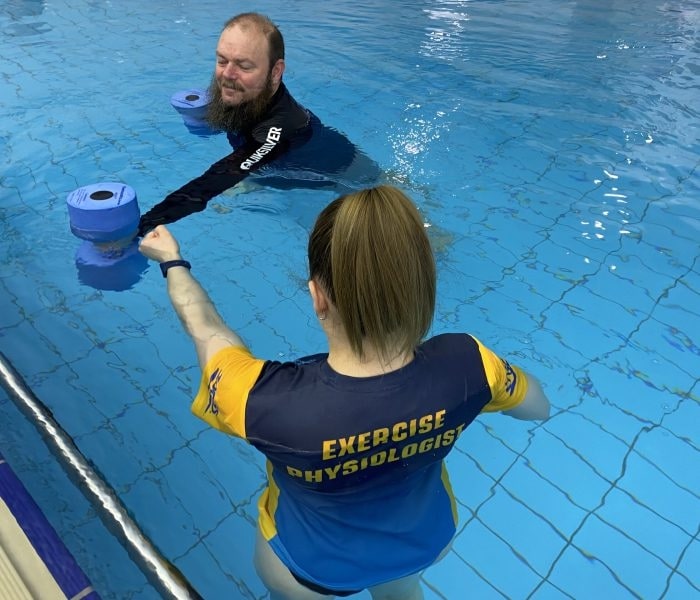
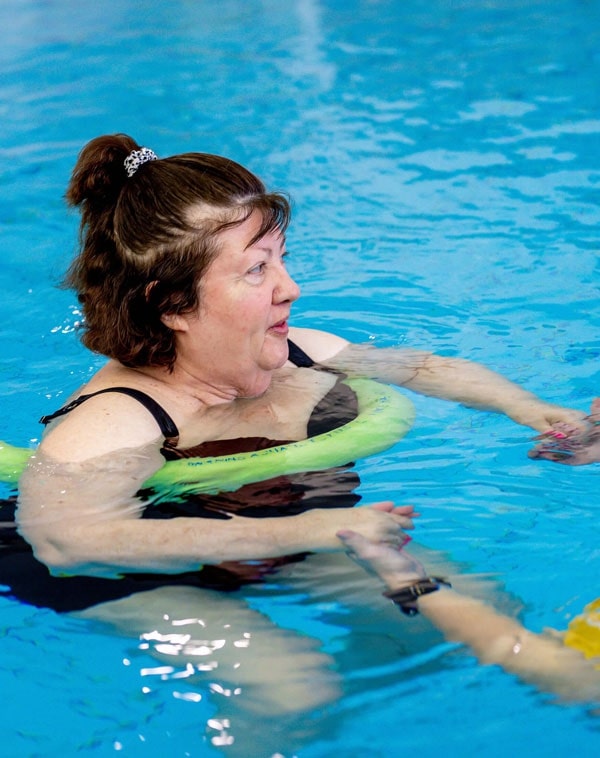
Warm water does more than feel nice. It changes how the body moves.
The warmth helps relax muscles and reduce joint stiffness, which can make movement feel easier and smoother. For people with arthritis, chronic back pain or muscle tension, this alone can provide noticeable relief.
Water also supports body weight. This means less pressure through painful joints like hips, knees and ankles. Many people who struggle with walking or standing on land are surprised by how much more freely they can move in the pool.
One of the biggest benefits of hydrotherapy is the ability to exercise without aggravating pain.
People living with chronic pain often avoid movement because it hurts. Unfortunately, less movement can lead to more stiffness, weakness and reduced mobility over time.
Hydrotherapy allows gentle strengthening, stretching and balance work in a controlled and supported environment. Over time, this can lead to improved function on land as well.
Hydrotherapy in Adelaide is commonly used to support people with:
For seniors in particular, hydrotherapy offers a way to stay active without fear of falling or overloading the body.
Water provides natural resistance in all directions. This means muscles can be strengthened gently without heavy weights or high impact movements.
Balance training in water is also safer. If you lose your balance, the water supports you. This allows people to challenge themselves in ways they may avoid on land.
Over time, this builds confidence as well as physical ability.
`If you live with ongoing pain, stiffness or reduced mobility and traditional exercise feels too hard or uncomfortable, hydrotherapy may be a good option.
Many people start hydrotherapy feeling unsure and leave feeling more mobile, more relaxed and more confident in their body.
If you are considering hydrotherapy in Adelaide and want to know whether it is suitable for your needs, the team at Adelaide Active is here to help.
Contact us to discuss your goals, your pain and how hydrotherapy could support your movement and quality of life.
Gentle movement can still create powerful change.
If you’ve heard of exercise physiology but aren’t quite sure what it means, you’re not alone. Many people know exercise is good for them, but don’t realise how much a structured, evidence-based approach can change their health and wellbeing.
At Adelaide Active, our exercise physiology team in Adelaide helps people of all ages use movement as medicine. Whether you’re living with a chronic condition, recovering from injury, or simply wanting to move and feel better, we design exercise programs that are safe, effective, and tailored to you.


Exercise physiology is the science of how the body responds to physical activity. Accredited Exercise Physiologists (AEPs) are university-qualified health professionals who specialise in using exercise to prevent and manage a wide range of health conditions.
They don’t just tell you to “get moving”; they teach you how to move in the right way for your body and your goals.
Common areas an exercise physiologist can help with include:
Every program starts with an assessment, where we learn about your health, your current fitness level, and what you’d like to achieve. From there, your exercise physiologist designs a plan that’s tailored to your needs — no gym experience required.
Your sessions might include:
For example, one of our clients living with type 2 diabetes started with short, supported exercise sessions twice a week. Within months, they noticed better blood sugar control, improved energy, and more confidence moving around at home.
Another client recovering from back pain learned how to strengthen their core and hips through targeted exercises, helping them return to work and everyday activities without discomfort.


At Adelaide Active, our exercise physiology services in Adelaide are built around your health goals. We take the time to understand where you’re starting from and where you want to go. Our programs are:
Exercise isn’t just about fitness — it’s a powerful tool for improving health, energy, and quality of life. With the right support, it can help you take control of your wellbeing and make lasting changes.
Discover how our exercise physiologists in Adelaide can help you move better, feel better, and live better.
Book your first session with Adelaide Active today.
At Adelaide Active Rehab & Therapy, we believe that everyone deserves the opportunity to move, heal, and feel their best. Our modern facility in Welland, South Australia, has been purposefully designed to make fitness and rehabilitation accessible, comfortable, and empowering for all ages and abilities.


Accessibility isn’t just a feature at Adelaide Active, it’s the foundation of everything we do.
Our spacious, wheelchair-friendly centre includes two heated hydrotherapy pools (maintained between 34–35°C) and a fully equipped therapy gym, all built to accommodate people with diverse physical needs
Our two state-of-the-art hydrotherapy pools are at the heart of the Adelaide Active experience.
The warm water helps muscles relax, reduces joint pain, and allows for low-impact exercise that supports recovery, balance, and flexibility. Whether you’re managing chronic pain, arthritis, or neurological conditions, hydrotherapy offers a soothing and effective pathway to improved mobility and wellbeing.


Our therapy gym is modern, accessible, and tailored to suit every ability level. From strength and endurance training to balance and coordination work, our equipment and expert team ensure every client can exercise safely and confidently.
We also run inclusive programs like “Gymclusion”, which provide personalised support to help participants of all abilities build strength, flexibility, and confidence
Adelaide Active offers a diverse range of pool-based and land-based programs led by qualified physiotherapists and exercise physiologists.
Here are some of our most popular programs:
We’ve thought of every detail to make your visit easy and enjoyable:
Our team of passionate Physiotherapists, Exercise Physiologists and Occupational Therapists work collaboratively to provide personalised care. Whether you’re recovering from surgery, managing a chronic condition, or simply striving for better health, you’ll find expert support and encouragement every step of the way.
Start Feeling Better Today
Located at Welland, Adelaide Active makes movement and recovery more accessible than ever.
Book your first visit, join a class, or simply come and see how our warm, welcoming environment can help you reach your goals no matter where you’re starting from.


As we age, maintaining physical health becomes more important than ever — and strength training is one of the most effective tools available. For middle-aged adults, incorporating regular resistance exercise can help reduce the risk of chronic disease, preserve independence, and improve overall quality of life.
However, many people in their 40s, 50s, and 60s are hesitant to start strength training due to concerns about injury or not knowing where to begin. That’s where physiotherapy plays a critical role. In this post, we’ll explore the key benefits of strength training for middle-aged adults and how working with a physiotherapist can enhance safety, boost results, and build confidence.
1. Slows Muscle Loss (Sarcopenia)
From around age 30, we begin to lose 3–8% of muscle mass per decade — a process
called sarcopenia. Strength training is the most effective way to counteract this natural
decline and preserve muscle mass, strength, and function.
2. Improves Bone Density
Resistance training places healthy stress on bones, which stimulates new bone growth.
This is particularly important for middle-aged adults who may be at increased risk for
osteoporosis or bone fractures.
3. Boosts Metabolism and Aids Weight Management
Muscle burns more calories than fat — even at rest. By building lean muscle, strength
training helps increase your resting metabolic rate, making it easier to manage weight and
prevent fat gain associated with aging.
4. Reduces Risk of Chronic Diseases
Regular strength training has been shown to:
Lower blood pressure
Improve insulin sensitivity
Reduce inflammation
Decrease risk of type 2 diabetes, heart disease, and certain cancers
5. Improves Joint Health and Reduces Pain
Contrary to popular belief, strength training — when done properly — can actually reduce joint pain. It strengthens the muscles around joints, improving stability and reducing the strain placed on them.
Strength training isn’t just for bodybuilders or athletes — it’s essential for healthy aging.
With physiotherapy guidance, middle-aged adults can start safely, build confidence, and
achieve long-term health benefits.
If you’ve been thinking about adding strength training to your routine, or you’re unsure how
to start, consider consulting with a licensed physiotherapist. They’ll help you build a strong
foundation — and your future self will thank you for it.
While individualised physiotherapy is crucial for safe and effective strength training,
training in a group setting can provide powerful additional benefits—especially for
middle-aged adults who may feel intimidated or unmotivated starting alone.
As we get older, maintaining good balance becomes more and more important not just for
preventing falls, but for preserving independence and continuing to enjoy everyday activities.
Designed and delivered by Accredited Exercise Physiologists, Active Balance is a structured,
evidence-based class that focuses on improving balance, coordination, and lower limb strength
in a safe and supportive environment. Whether you’re noticing early signs of unsteadiness or
recovering from a fall, this program is designed to meet you where you're at and help you move
forward.
Balance is a key part of everything we do, whether it’s walking across the room, getting up from
a chair, reaching for something on a shelf, or going up and down stairs. It’s something many of
us take for granted until we notice it becomes more difficult.
Balance can be improved with the right type of targeted exercise, and doing so has been shown
to significantly reduce fall risk and improve overall mobility and quality of life.
Before joining the class, all participants must complete a 1-on-1 initial assessment. This session
includes:
This assessment helps us determine the safest and most effective way for you to participate and
allows us to track your progress over time.
Each 45-minute session includes:
1. Warm-Up
Gentle seated and standing exercises using tools like sliding discs to improve mobility and activate balance muscles.
2. Strength Circuit
Functional movements including hip hinges, squats, and unilateral exercises (like farmer’s walks) to build strength and stability, tailored to individual ability.
3. Balance Games
A fun, interactive finish with obstacle courses or games that mimic real-life balance challenges.
This class is ideal for individuals who:
Call us on 08 7089 6666
Email us at mail@adelaideactive.com.au
Visit our website Active Balance - Adelaide Rehab & Therapy to book online
Achieving and maintaining a healthy weight is about creating balance not just in calories, but
also in movement, strength, and mobility. At Adelaide Active Rehab & Therapy, exercise isn’t just
an afterthought, it’s a cornerstone, guided by clinical expertise and compassionate care to
support your holistic weight management journey
Exercise elevates your metabolism, enhances cardiovascular health, and improves muscle tone
—but the real advantage lies in crafting safe, enjoyable routines you can stick to. At Adelaide
Active, they remove barriers by designing personalised programs and creating an empowering
environment through their state-of-the-art facilities
Your Journey Begins with an Assessment
Kickstarting your journey means starting smart. The team—be it physiotherapists or exercise
physiologists—assess:
This in-depth evaluation ensures your exercise plan is tailored to your unique needs, health
conditions, and goals
1. Exercise Physiology: The Science of Movement
2. Hydrotherapy: Gentle Strength in Motion
3. Integrated, Supportive Programming
1. Book an Initial Assessment
Reach out to their team on 08 7089 6666 and begin with a full physical evaluation
2. Explore Your Options
Choose from the suite of services:
3. Tailor Your Plan
Work with your clinician to integrate land and water-based modalities for balanced, effective results.
4. Access Funding
Many clients access services via Medicare, DVA, NDIS, or private health—making wellness accessible
5. Embrace the Journey
With expert support and facilities designed for all abilities, the environment fosters both growth and joy in each step of your wellness journey
- Evidence-Based Expertise: Programs built around measurable assessments and
- physiological science
- Inclusive & Compassionate: A judgment-free environment for all ages and abilities
- Flexible & Accessible: Land or water programs, multiple funding pathways, expert
- guidance every step of the way.
Final Thought
- Weight management isn’t just about numbers it’s about nourishment, movement, strength, and joy in your body. At Adelaide Active, exercise becomes a bridging force to wellbeing. Through personalized, expert led programs particularly the low-impact power of hydrotherapy you’re supported in a journey that’s as rewarding as it is effective.
Lipoedema is a condition that affects millions of women, but many have never even heard of it. If you’ve noticed persistent swelling, tenderness, or a feeling of heaviness in your legs or arms that doesn’t match your overall body weight, lipoedema might be the missing piece.
Despite being first described in 1940s, not much is known about lipoedema. What we do know is that lipoedema is a chronic fat disorder that mostly affects women, causing an uneven buildup of fat, typically from the hips to the ankles or from the upper arms to the wrists. Unlike obesity and general weight gain, the hands and feet are usually not affected, and lipoedema symptoms include:
· Painful, heavy limbs
· Swelling that worsens throughout the day
· Easy bruising
· Difficulty with mobility and exercise
· Genetic component
Lipoedema is not caused by lifestyle choices, and it's often confused with obesity or lymphoedema. It can be frustrating and even isolating, but there are ways to manage it.
Hydrotherapy, involves doing gentle exercises in a warm water pool, under the guidance of a physiotherapist or exercise physiologist.
Water offers a unique environment for movement and healing. Here’s how it can help people with lipoedema:
1. Reduced Swelling
Water’s natural pressure (called hydrostatic pressure) helps move excess fluid out of the limbs, reducing that heavy, swollen feeling many people with lipoedema experience.
2. Easier, Low-Impact Movement
The buoyancy of water supports your body weight, making it easier and less painful to move. Even walking in the water feels lighter on the joints and muscles.
3. Pain Relief
Warm water can help relax muscles and ease pain, while gentle movement in water helps strengthen muscles and improve circulation without causing strain.
4. Improved Mobility and Flexibility
Water allows for a greater range of motion than on land, especially if stiffness or pain usually limits your movement.
5. Supports Lymphatic Flow
Though lipoedema isn’t caused by a faulty lymphatic system, improving circulation and lymphatic drainage can reduce symptoms like swelling and heaviness.
6. All the amazing and wonderful benefits of exercise
Activity can help with overall health and energy—and feeling strong and mobile again can boost your mental well-being too.
Hydrotherapy sessions might include:
· Water walking: Great for circulation and leg strength
· Aquatic aerobics: Low-impact cardio in a fun group setting
· Swimming or floating exercises: Builds strength with gentle resistance
· Tailored pool exercises: Guided by a physiotherapist to focus on pain, mobility, and balance
No swimming skills required—just a willingness to try something new in a safe, supportive environment.
· Start slow: Listen to your body and take breaks when needed.
· Consult a professional: A physiotherapist trained in lipoedema care can tailor a plan to your needs.
· Combine therapies: Hydrotherapy works best alongside other approaches like compression therapy, manual lymphatic drainage, and healthy lifestyle support.
· Stay consistent: Like all treatments, consistency is key: small, regular sessions go a long way.

Meet our newest physiotherapist, Oliva! 🤩
This service is led by Olivia Jones, a physiotherapist with advanced training in oncology rehabilitation and lymphoedema therapy.
Olivia joins our multidisciplinary team of musculoskeletal, hydrotherapy, neuro, and rehabilitation physiotherapists, as well as exercise physiologists, to provide comprehensive care in lymphoedema management and rehabilitation.
Want to find out more information or book your first consultation?
Mon & Wed: 6:30am - 11:30am & 1:30pm - 2:30pm
Tue & Thur: 6:30am - 3:30pm
Fri: 6:30am - 5:30pm
Sat: 8:30am - 11:30am
Sun: 8:30am - 12:00pm
(Casual Visits Valid for 1 hour only)
111A Welland Avenue, Welland
(08) 7089 6666
Fax: 08 7081 7086
mail@adelaideactive.com.au
Mon - Fri: 6AM - 10AM
Sat & Sun 8.30AM - 11:45AM
111A Welland Avenue, Welland
(08) 7089 6666
Fax: 08 7081 7086
mail@adelaideactive.com.au

Adelaide Active Rehab & Therapy acknowledges the traditional owners and custodians of country throughout Australia and acknowledges their continuing connection to land, sea and community. We pay our respects to the people, the cultures and the elders past, present and emerging.Adelaide Active is founded on inclusion and the belief that everyone is welcome. All diversity is celebrated, encouraged, represented and supported in our staff, our clients and our communities.