Osteoporosis is often called the “silent disease” because bone loss can occur gradually over many years without obvious symptoms. For many people, the first sign of osteoporosis is a fracture after a simple fall or minor incident.
At Adelaide Active Rehab & Therapy, we believe education, early intervention, and the right exercise support can make a significant difference in maintaining strong, healthy bones and reducing fracture risk as we age.
What Is Osteoporosis?
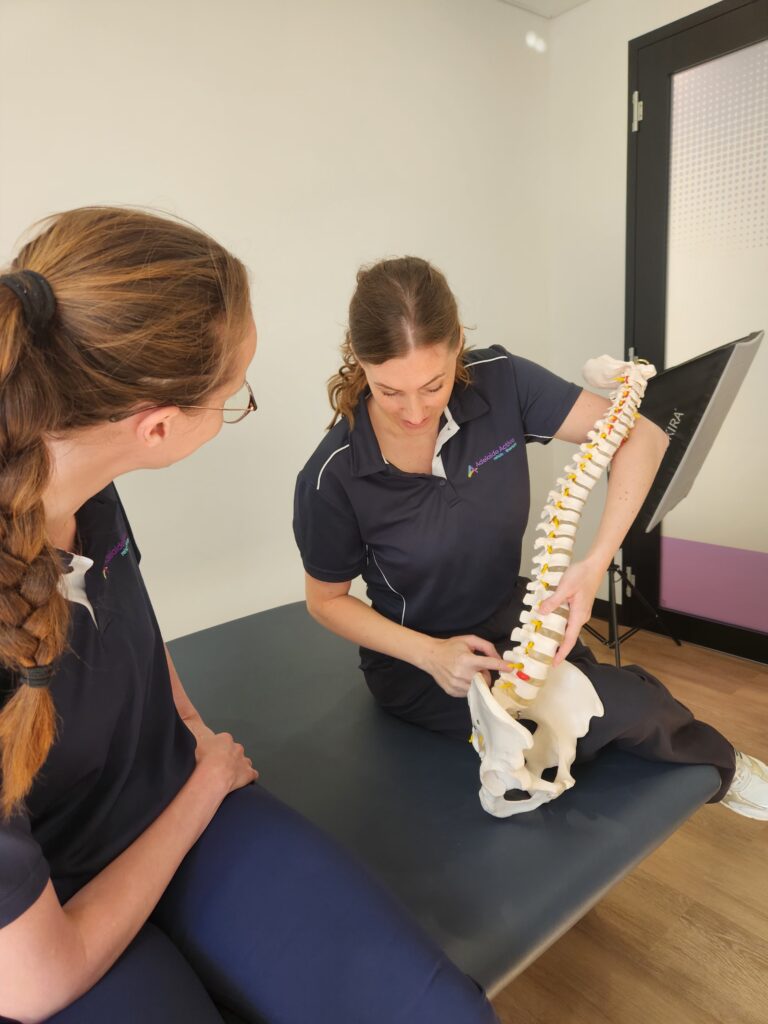
Osteoporosis is a chronic condition characterised by reduced bone strength and deterioration of bone structure, making bones more fragile and more likely to fracture.
While some bone loss is a normal part of ageing, osteoporosis accelerates this process and significantly increases the risk of injury.
According to Healthy Bones Australia and the RACGP, fractures related to osteoporosis are a major health concern in older Australians, with over 70% of fractures occurring in women and men over the age of 70. Hip fractures are particularly serious and are associated with reduced mobility, loss of independence, and increased mortality risk.
Why Does Osteoporosis Happen?
Bone is living tissue that is constantly being broken down and rebuilt. As we get older, bone breakdown can begin to outpace bone rebuilding.
In women, menopause is one of the most common causes of accelerated bone loss due to the reduction in oestrogen levels. Oestrogen plays an important role in maintaining bone strength, and rapid bone loss can occur during the years surrounding menopause.
Men can also develop osteoporosis, particularly with low testosterone levels, chronic health conditions, or lifestyle-related risk factors.
Are You at Risk?
If you are over the age of 50, it is important to understand your personal risk factors for osteoporosis and falls.
Lifestyle Risk Factors
You may be at greater risk if you have:
- Falls or poor balance
- Low physical activity levels
- Low body weight
- Low muscle mass
- Vitamin D insufficiency
- Smoking history
- Alcohol intake greater than two standard drinks per day
Medical Conditions Linked to Osteoporosis
Certain health conditions can also increase your risk, including:
- Early menopause in women
- Low hormone production in men
- Coeliac disease
- High blood pressure
- Rheumatoid arthritis
- Diabetes
- Thyroid disease
- Liver or kidney disease
Research also shows that physical inactivity, low calcium intake, and vitamin D deficiency contribute to poor bone health and fracture risk.
Why Fracture Prevention Matters
Many people underestimate the impact a fracture can have later in life.
A hip fracture, for example, can significantly affect independence, confidence, and mobility. Studies show that following a hip fracture, many older adults experience reduced ability to live independently and may require long-term support or rehabilitation.
Preventing the first fracture is one of the most important steps in osteoporosis management.
The Role of Exercise in Bone Health
Exercise is one of the most effective non-medication strategies for maintaining bone strength and reducing falls risk.
At Adelaide Active, we regularly support clients with tailored exercise programs designed to improve:
- Muscle strength
- Balance and coordination
- Bone loading and stimulation
- Mobility and confidence
- Falls prevention
Research shows that weight-bearing and resistance-based exercise can help slow bone loss and improve overall physical function. Balance training is also essential, as many fractures occur following a fall.
Helpful Types of Exercise May Include:
- Strength training
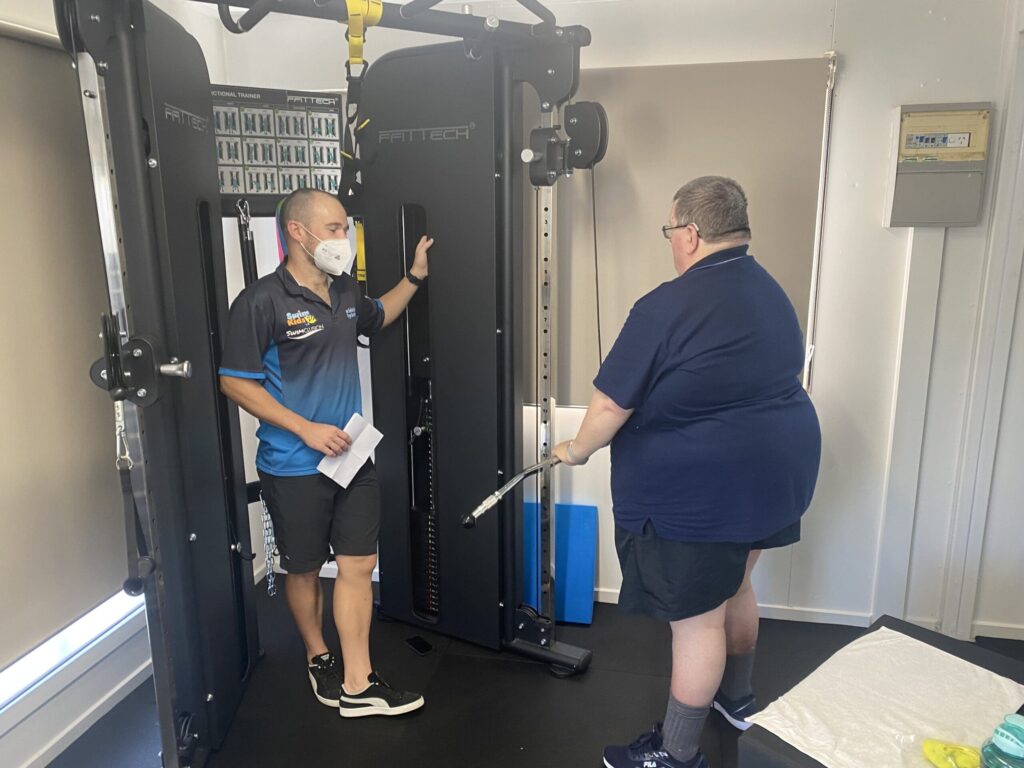
- Supervised gym-based exercise
- Balance and stability training
- Weight-bearing exercise such as walking
- Functional movement training
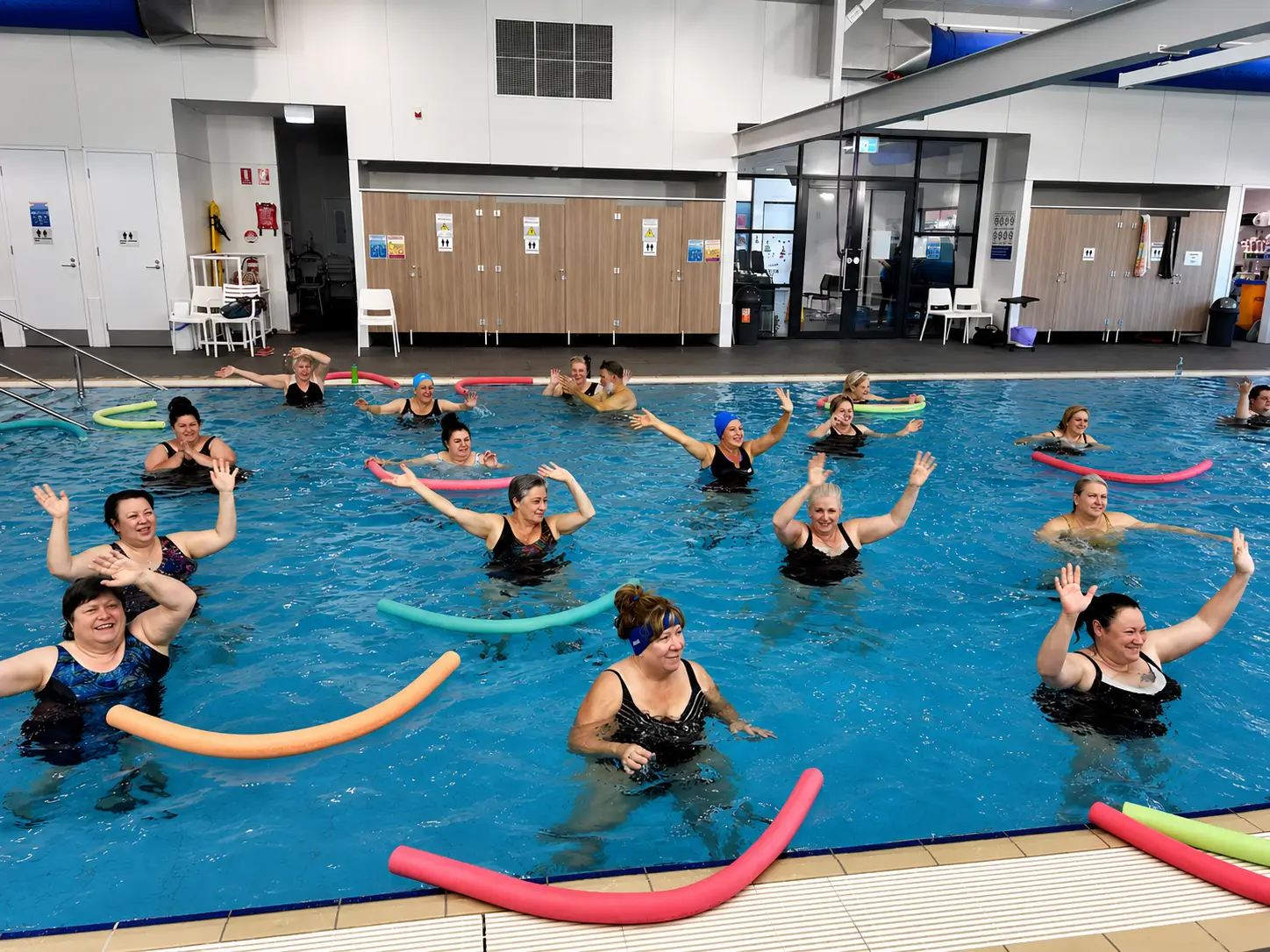
- Hydrotherapy for safe movement and conditioning
It is important that exercise programs are individualised, especially for people who already have osteoporosis or a history of fractures.
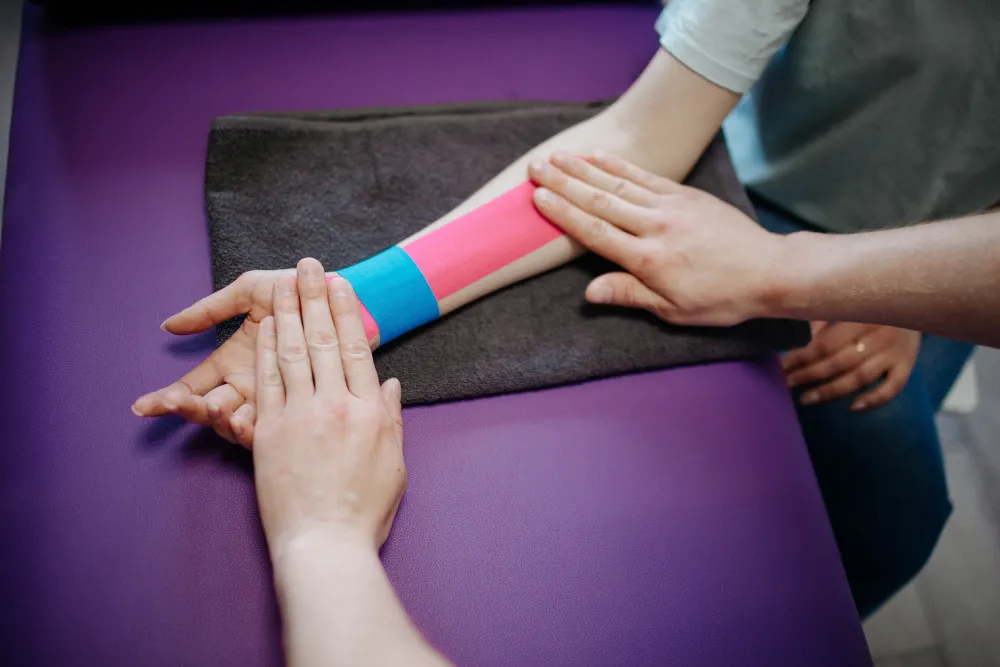
This is where Adelaide Active’s Exercise Physiology and Physiotherapy services can help. Our team develops personalised programs that focus on safe movement, strength building, and reducing falls risk while supporting long-term independence.
Related Services at Adelaide Active
To support bone health and healthy ageing, you may also find these Adelaide Active services helpful:
- Exercise Physiology for strength, balance, and chronic condition management
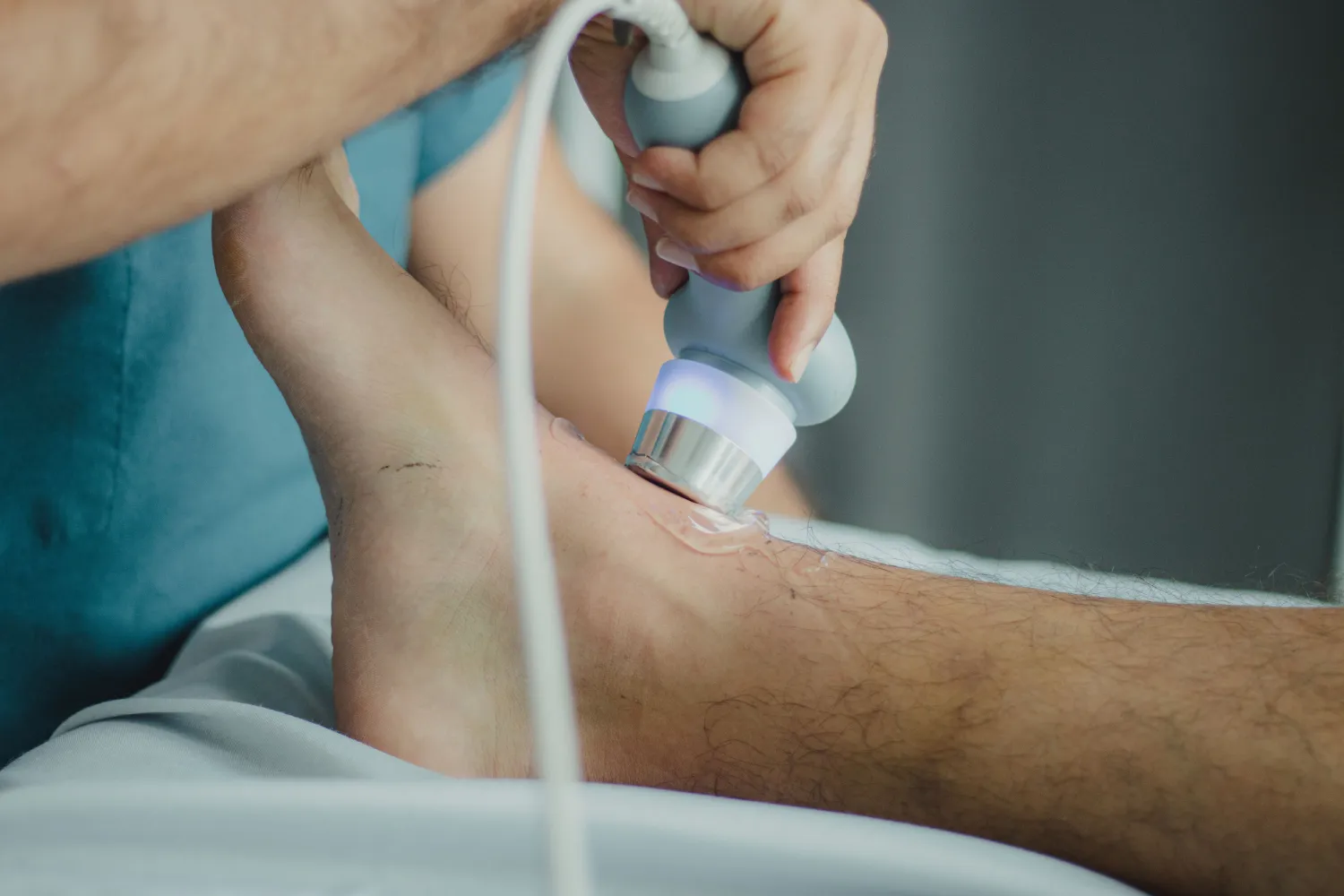
- Physiotherapy for mobility, pain management, and falls prevention
- Hydrotherapy for low-impact movement and confidence-building in a supportive environment
- Healthy Ageing & Senior Exercise Programs for maintaining independence and physical wellbeing
Vitamin D, Calcium and Lifestyle Factors
Bone health is influenced by more than exercise alone.
Calcium
Calcium is essential for maintaining bone strength. Australian guidelines recommend adequate calcium intake through diet where possible.
Vitamin D
Vitamin D helps the body absorb calcium effectively. Low vitamin D levels are common, particularly in older adults and those with limited sun exposure.
Smoking and Alcohol
Smoking and excessive alcohol intake are both associated with increased fracture risk and accelerated bone loss.
When Should You Seek Help?
If you are over 50 and have one or more risk factors for osteoporosis, it may be worth speaking with your GP or allied health professional about:
- Bone density testing (DEXA scan)
- Falls risk assessment
- Exercise support
- Strength and balance programs
- Bone health screening
Early identification and management can help reduce the risk of fractures and support long-term independence.
How Adelaide Active Can Help
At Adelaide Active Rehab & Therapy, our physiotherapists and exercise physiologists work with clients to create safe, supportive, and evidence-based programs focused on:
- Strengthening muscles and improving bone health
- Reducing falls risk
- Improving mobility and confidence
- Supporting healthy ageing
- Managing chronic health conditions safely
Whether you are looking to stay active, improve balance, or begin exercising safely after a diagnosis of osteoporosis, our team is here to help.
Ready to support your bone health?
If you are concerned about osteoporosis, falls risk, or staying active as you age, Adelaide Active can help you move with greater confidence.
Contact Adelaide Active Rehab & Therapy to learn more about our Exercise Physiology, Physiotherapy, and Hydrotherapy programs designed to support healthy ageing and stronger movement.
Sources
- Healthy Bones Australia – Osteoporosis, Exercise and Bone Health Fact Sheets
https://healthybonesaustralia.org.au/resource-hub/fact-sheets/ - RACGP & Healthy Bones Australia Osteoporosis Guidelines 2024
https://www.mja.com.au/system/files/issues/222_09/mja252637.pdf - Australasian Menopause Society – Osteoporosis Information Sheet
https://hub.menopause.org.au/Play?pId=5fc0cc92-bf79-45b4-9e1b-bad46bd439f0 - Better Health Channel – Osteoporosis and Exercise
https://www.betterhealth.vic.gov.au/site-5/health/conditionsandtreatments/osteoporosis-and-exercise - Australian Institute of Health and Welfare – Osteoporosis and Minimal Trauma Fractures
https://www.aihw.gov.au/reports/chronic-musculoskeletal-conditions/osteoporosis - RACGP – Calcium, Protein and Vitamin D
https://www.racgp.org.au/clinical-resources/clinical-guidelines/key-racgp-guidelines/view-all-racgp-guidelines/osteoporosis/general-bone-health-maintenance/calcium-protein-and-vitamin-d