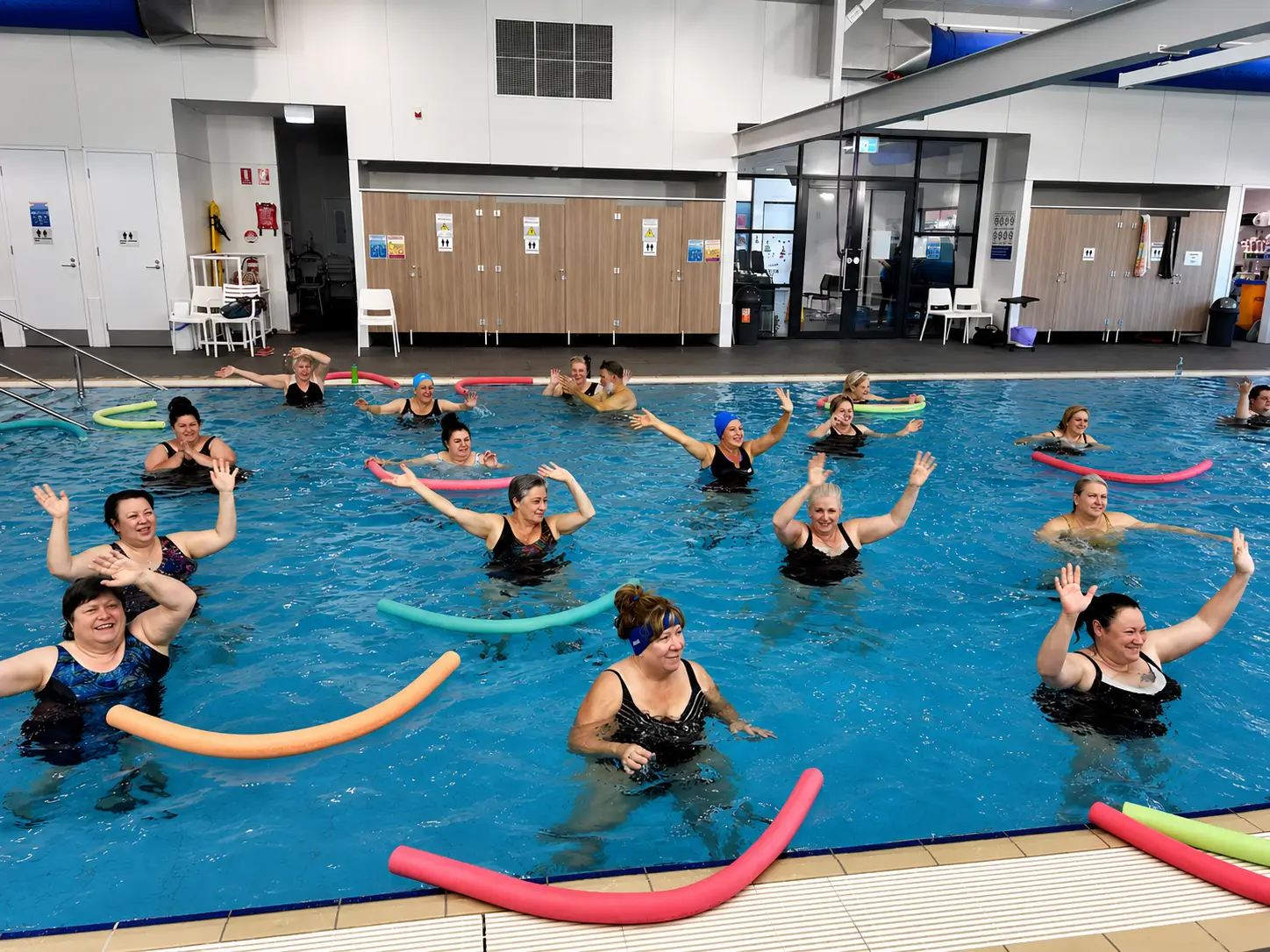
How Physiotherapy Can Maximise Results Safely
As we age, maintaining physical health becomes more important than ever — and strength training is one of the most effective tools available. For middle-aged adults, incorporating regular resistance exercise can help reduce the risk of chronic disease, preserve independence, and improve overall quality of life.
However, many people in their 40s, 50s, and 60s are hesitant to start strength training due to concerns about injury or not knowing where to begin. That’s where physiotherapy plays a critical role. In this post, we’ll explore the key benefits of strength training for middle-aged adults and how working with a physiotherapist can enhance safety, boost results, and build confidence.
Why Strength Training Matters
1. Slows Muscle Loss (Sarcopenia)
From around age 30, we begin to lose 3–8% of muscle mass per decade — a process
called sarcopenia. Strength training is the most effective way to counteract this natural
decline and preserve muscle mass, strength, and function.
2. Improves Bone Density
Resistance training places healthy stress on bones, which stimulates new bone growth.
This is particularly important for middle-aged adults who may be at increased risk for
osteoporosis or bone fractures.
3. Boosts Metabolism and Aids Weight Management
Muscle burns more calories than fat — even at rest. By building lean muscle, strength
training helps increase your resting metabolic rate, making it easier to manage weight and
prevent fat gain associated with aging.
4. Reduces Risk of Chronic Diseases
Regular strength training has been shown to:
Lower blood pressure
Improve insulin sensitivity
Reduce inflammation
Decrease risk of type 2 diabetes, heart disease, and certain cancers
5. Improves Joint Health and Reduces Pain
Contrary to popular belief, strength training — when done properly — can actually reduce joint pain. It strengthens the muscles around joints, improving stability and reducing the strain placed on them.
The Role of Physiotherapy in Strength Training
- Improved Motivation and Consistency
A physiotherapist will assess your current physical condition, range of motion, and
strength to create a personalized strength training plan. This ensures exercises are safe,
effective, and suited to your body’s needs. - Injury Prevention
Incorrect form and inappropriate load are the biggest risks when starting strength training.
Physiotherapists educate clients on proper technique, posture, and progression to prevent
strain or injury. - Rehabilitation Support
If you’re recovering from surgery or injury, physiotherapy-led strength training helps restore
mobility and rebuild strength gradually — with close monitoring to avoid setbacks. - Addressing Chronic Pain
Physiotherapists can design strength-based programs that specifically target weak or
imbalanced muscles, a common contributor to chronic pain. This can lead to lasting relief
from issues like back pain, arthritis, or tendonitis. - Ongoing Motivation and Guidance
One of the underrated benefits of working with a physiotherapist is accountability. Knowing
you’re supported by a qualified expert keeps you motivated, focused, and consistent —
which is key to long-term success.
Getting Started: Safe, Sustainable Strength Training at Any Age
Strength training isn’t just for bodybuilders or athletes — it’s essential for healthy aging.
With physiotherapy guidance, middle-aged adults can start safely, build confidence, and
achieve long-term health benefits.
If you’ve been thinking about adding strength training to your routine, or you’re unsure how
to start, consider consulting with a licensed physiotherapist. They’ll help you build a strong
foundation — and your future self will thank you for it.
The Power of Group Training: Motivation, Support, and Better Results
While individualised physiotherapy is crucial for safe and effective strength training,
training in a group setting can provide powerful additional benefits—especially for
middle-aged adults who may feel intimidated or unmotivated starting alone.
- Improved Motivation and Consistency
Working out with others fosters accountability. Knowing you’re showing up for a group—
whether it’s a small class or physiotherapy-led group session—can help you stick to your
routine even on the days motivation is low. - Social Connection
Training in a group combats one of the biggest health challenges of middle age: social
isolation. Group exercise offers a sense of community, support, and shared progress,
which can boost mental health and reduce stress. - Healthy Competition and Encouragement
A little friendly competition can push you to lift a little heavier, complete that last rep, or try
a new movement you wouldn’t attempt alone. Plus, cheering each other on builds
confidence and enjoyment. - Physiotherapy-Led Group Programs = Safe & Effective
Adelaide Active has created a new program, offering small-group strength training
sessions for those 35 and over, led by a qualified physiotherapist. These combine the
safety of physiotherapy oversight with the energy and motivation of group exercise. Each
participant can still receive modifications or progressions based on their individual needs,
ensuring safety without sacrificing results.